
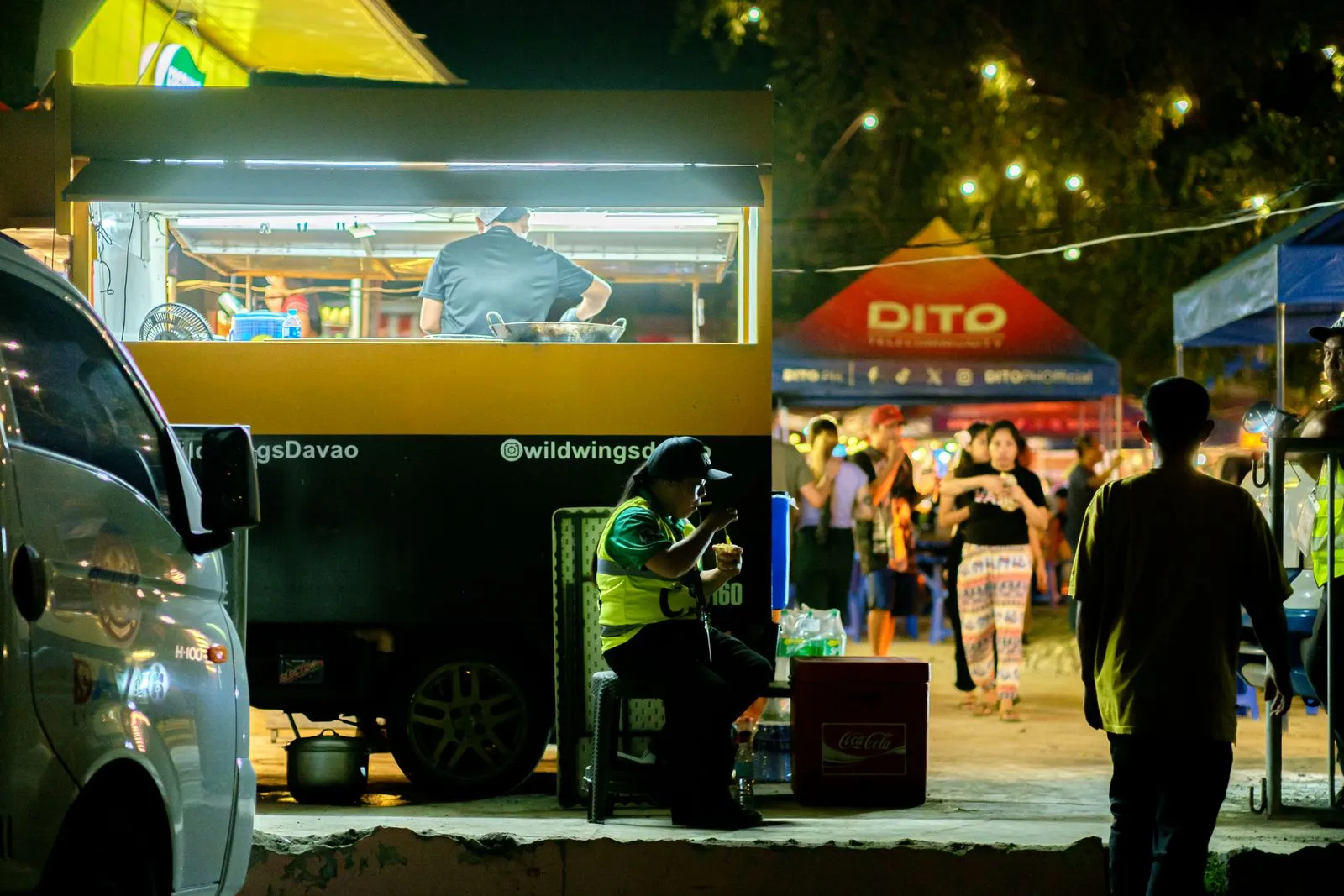
A food truck can make event catering feel flexible and straightforward, but a good booking starts with more than choosing a menu. Check that the food suits your guests, the truck can meet the venue’s requirements, and the site has enough room for safe service. Confirming these details early helps you compare options fairly and avoid last-minute surprises. Use this checklist when speaking with a food truck operator, venue manager, or event organizer.
Compare menus and service
Start with the menu your guests will actually want to eat. Ask for current dishes, serving sizes, and available dietary options, including vegetarian, vegan, and allergy-aware choices. Clarify how the operator handles allergen requests and whether guests need to ask staff before ordering. If your event has a particular theme or meal time, check that the menu fits rather than assuming every truck offers the same style of service.
Compare how each truck plans to serve your crowd. Ask whether guests order individually or choose from a set menu, how payment works, and whether the operator can serve during your event’s available meal window. Discuss the expected guest count and any likely rush periods. A menu that looks suitable on paper may not be practical if ordering takes too long or the truck cannot serve at the required pace.
Confirm event requirements
Before making a booking, check the venue’s rules for food trucks. Requirements may cover vehicle access, parking approval, operating hours, permits, insurance documents, fire safety, and waste disposal. Ask the venue which documents it needs and when they are due. Then confirm with the operator who will provide each item, so neither party assumes the other has handled it.
Give the operator the event date, location, service times, estimated attendance, and a contact for arrival-day coordination. Confirm the booking terms in writing, including what happens if weather or access changes affect service. Check whether the truck needs a power connection, water supply, or permission to use a generator. These details can affect where it can park and whether the planned setup will work.
Prepare the serving area
Choose a level, stable spot with enough room for the truck to enter, park, and leave without blocking emergency access or other event activity. Measure the available area and share those dimensions with the operator, including any height or turning restrictions on the route. Keep pedestrian paths, accessible routes, entrances, and exits clear. If the truck will be near a road or busy walkway, ask the venue how to separate guests from vehicle movement.
Plan where guests will queue, collect food, and eat. Position the line so it does not obstruct doors, restrooms, or neighboring vendors, and provide clear signage if guests may be unsure where to order. Consider shade, lighting, weather exposure, and nearby seating based on the event schedule. Agree on rubbish and recycling arrangements, and make sure staff can reach any required power or water points safely.
Get the details in writing
Once you have compared options, send the operator a concise event summary and ask them to confirm the key details. Include the agreed menu, guest estimate, service window, site address, access instructions, utilities, venue documents, and setup plan. Also confirm the booking contact and the best way to reach them on the day. A written summary gives everyone one reference point if plans need checking.
Review the final arrangement with the venue before the event. Confirm the truck’s arrival time, parking position, and any site access process, then share updates promptly if the guest count or schedule changes. Keep a backup plan for delays or unsuitable conditions where practical. Clear communication does not remove every uncertainty, but it makes responsibilities visible and helps the operator prepare for your event.
A successful food truck booking depends on matching the menu to your guests, checking venue and service requirements, and preparing a safe, workable setup. Confirm the practical details in writing before the event, then share any changes as soon as possible. Use this checklist to compare your options and start a clear conversation with the operator you choose.